






















Screenshots Last Forever: Before you Hit Send You Need to Know How Text Messages and Social Media Are Used in Florida Divorce Cases
Most people think text messages and social media messages are private conversations between them and the person on the other side of the screen. In reality, those messages often become evidence when you are involved in litigation – especially, if you are in family court dealing with a divorce, a paternity case or a modification of timesharing.
As award winning family law and divorce attorneys, we have seen how quickly this evidence can be used against you in court. In a Florida divorce, what you say in a text message, social post, or in the comment section can carry real weight with the judge.
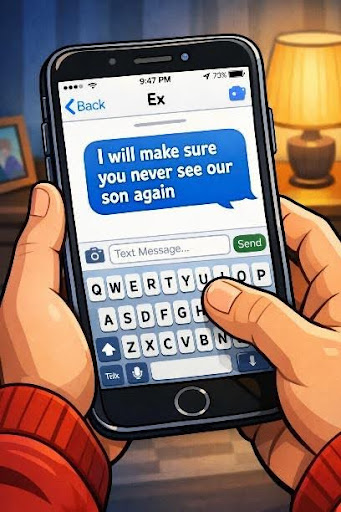
A quick text sent in frustration or a Facebook post shared without much thought can later be reviewed by the court and interpreted very differently than you intended (normally without much context). And, in the world of trial lawyers, explaining is losing. The more you have to explain yourself to the judge, the less time you will actually be able to spend on telling your story.
If you are going through a divorce or thinking about filing for a divorce, it is important to understand how your digital activity can impact your case before it becomes an issue.
Why Digital Evidence Matters in Florida Divorce Cases
Florida courts do not just rely on what each party says. In fact, while testimony plays an important part of the trial process in every trial, the most helpful evidence for the court is found in text messages, emails and social media posts where parties often “admit” to many things that do not make them look good in front of the judge. Judges balance the testimony a party offers with their appearance at trial, their behavior, financial patterns derived from bank and credit card records, and overall credibility of the witness. Digital communications like text messages and social media posts can provide a clear and detailed record of all of the above.
Unlike verbal conversations, text messages and social media comments and posts create a timeline that can be saved, shared, and introduced as evidence. They say that a picture is worth a thousand words. Well, think about this, what may feel like a justified response, or a message sent in anger may quickly become the leading piece of evidence against you.
Digital Evidence may include:
- Text messages
- Emails
- Social media posts
- Social media comments
- Direct messages
- Photos and videos
What Types of Messages Can Be Used Against You
Many people are surprised by how often ordinary messages become relevant evidence in a trial, child custody proceeding, or even in negotiations. It is not just extreme or inappropriate content that gets the judge or jury’s attention. In many cases, small details or inconsistencies are enough to raise questions.
Some common examples include:
- Angry or emotional texts sent during disagreements;
- Messages that conflict with statements made in court;
- Conversations about money, income, or spending habits;
- Posts of you at a location which become evidence of new relationships or lifestyle changes;
- Posts that may raise concerns about parenting decisions; and,
- Statements about travel, relocation, or future plans.
We have seen situations where a single message created unexpected issues in a case. For example, a client sent a message stating they were struggling financially so they could not pay any alimony, but their social media showed recent travel and a few subpoenas later we were able to detail all of the spending, and we even found spending on an extra-marital relationship which we were able to properly prove as marital waste.
Social Media Is Not as Private as You Think
It is common to assume that private accounts or deleted posts are protected. In many situations, that assumption can lead to problems. First, deleting or destroying evidence will get you in big trouble with the Court for spoliation or destruction of evidence. Second, even if you try to hide your posts, that content may still surface in several ways, including screenshots, shared posts, or it may even be disclosed during the discovery process.
Simply put, once something is posted on the internet or sent to a third party, it is often out of your control. This becomes especially important during a divorce, where even small details will be examined closely.
How Digital Evidence Can Impact Parenting and Finances
Digital evidence can directly affect several important aspects of a Florida divorce. What may seem like harmless activity can influence how key issues are viewed and decided in your case.
In parenting matters, posts, messages, or patterns of communication may be used to evaluate consistency and decision making. For example, messages showing missed pickups or posts that raise concerns about supervision may be used during time sharing discussions.
When it comes to finances, online activity can reflect spending habits and lifestyle choices. Posts showing travel, large purchases, or a certain standard of living may be compared to financial statements and claims made in court.
Even a “Simple Case” Can Be Affected by Digital Evidence
Not every divorce is high conflict, but digital evidence can still play a role. So many times, issues develop simply because something was misunderstood, taken out of context, or presented in a way that was not anticipated. While there are some circumstances (like confirming a conversation or agreement) where sending a text message or email may be appropriate. More often than not, we see these messages instigate unnecessary arguments.
What to Do?
Understanding how your communication may be viewed before it becomes part of the case can help you avoid unnecessary complications. Before you hit send or before you make a post, pause. Think about what you are going to say. Consider how it may be used out of context. Think about how someone else, not familiar with your whole life history, can take that message out of context. Then, do not send it! If you have to think twice about whether or not you should send that text message or make that post, the safest option is not to send it. As the saying goes, you cannot unring the bell.
When to Talk to an Attorney
Every case is different, and the impact of digital evidence can vary depending on the situation. What may seem minor in one case could be more significant in another.
Speaking with an attorney early can help you better understand:
- How to effectively communicate throughout the litigation process;
- What to avoid saying during your case; and,
- How to protect your position moving forward.
When to Talk to an Attorney
A single message or post can carry more weight than you expect. What feels temporary in the moment can become a permanent part of your case.
If you are going through a divorce or considering filing, taking a more thoughtful approach to your communication now can help prevent unnecessary issues later. Digital activity often becomes more important than people expect, especially when it comes to credibility, parenting, and financial matters.
Speaking with an experienced Florida family law attorney with trial experience can help you better understand how your actions may be viewed in the courtroom and what steps you can take to protect yourself moving forward. Contact TK Law today to learn how we can help you navigate your case with clarity and avoid mistakes that could impact your future.