











The start of a new year is the ideal time to review your legal and financial affairs. This estate planning checklist for the new year outlines eight essential steps you can take to protect your family, your assets, and your peace of mind in 2026 and beyond.
If you have not reviewed your will recently, updated your beneficiary designations, or organized your important documents, now is the time to start fresh. A little planning in January can prevent confusion, conflict, and costly mistakes later in the year.
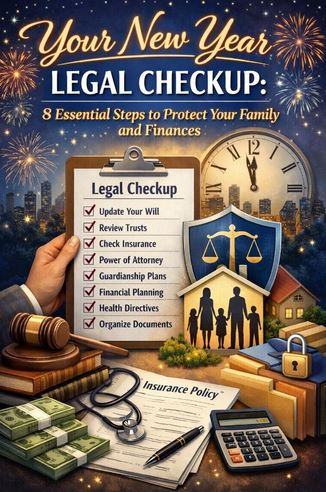
Estate Planning Checklist To-Do
- Update your will
- Review beneficiaries
- Check powers of attorney
- Name guardians
- Organize documents
- Address life changes
- Review post-marriage/divorce
- Schedule consultation
This checklist helps you avoid probate delays, ensure beneficiaries are current, handle incapacitation planning, and reduce family conflict.
Why January Is the Right Time for an Estate Planning Review
For many people, the rest of the year is filled with excuses—busy schedules, unexpected events, and competing priorities. January is different. After the holidays, life slows down just enough to create a rare window of clarity and focus.
Life also changes quickly. New jobs, new babies, marriages, divorces, relocations, and financial changes can all affect how your estate plan should work. The new year’s “fresh start” mindset makes January the perfect time to address legal matters that have been put off.
There is also a practical advantage: tax season is approaching. As you gather financial records, it is easier to review your will, beneficiary designations, and other estate planning documents at the same time.
Your Estate Planning Checklist for the New Year
1. Create or Update Your Will
Your Last Will and Testament is the foundation of your estate plan. It names a personal representative (executor), determines who inherits your assets, and appoints guardians for minor children. Without a valid will, a Florida judge—not you—will make these decisions under state law.
What you can do now:
- Identify and list your major assets and intended beneficiaries
- Choose a trusted personal representative
- Name a guardian for minor children
- Review any existing will for outdated or incorrect provisions
When to call a lawyer:
If you are creating a will for the first time, have a blended family, own significant assets, or are unsure how assets should be distributed, legal guidance is essential.
2. Update Your Beneficiary Designations
Life insurance policies, retirement accounts, and payable-on-death accounts pass directly to the named beneficiaries—regardless of what your will says. If those designations are outdated, the wrong person could inherit those assets.
What you can do now:
- List all accounts with beneficiaries (401(k), IRA, life insurance, bank accounts)
- Verify current beneficiary information
- Update beneficiaries as needed
- Name contingent beneficiaries
When to call a lawyer:
Get legal advice if you are divorced, considering divorce, naming minor children, or using trusts. Court orders or settlement agreements may limit changes you can make.
3. Review Powers of Attorney and Health Care Directives
These documents protect you if you become incapacitated. A Power of Attorney allows someone to manage financial matters, while a Health Care Surrogate or directive authorizes medical decision-making.
What you can do now:
- Locate existing documents
- Confirm agents are still appropriate and willing
- Provide copies to your agents
- Remove former spouses immediately
When to call a lawyer:
Consult an attorney if your documents were created in another state, contain outdated language, or no longer reflect your wishes.
4. Name Guardians for Minor Children
If you have children under 18, naming a guardian in your will is critical. Without this designation, a court decides who raises your children if something happens to you.
What you can do now:
- Discuss guardianship with your spouse or partner
- Speak with your chosen guardian to confirm willingness
- Consider trusts to manage funds for children
- Separate caregiving and financial responsibilities if appropriate
When to call a lawyer:
Legal guidance is especially important for blended families, special needs planning, or concerns about another parent’s fitness.
5. Organize Important Documents and Digital Assets
Even the best estate plan fails if your family cannot locate documents or access accounts when needed.
What you can do now:
- Create an inventory of key documents
- Store originals in a secure, fireproof location
- Use a password manager for digital accounts
- Prepare a letter of instruction explaining access
When to call a lawyer:
Seek advice if you own digital assets, operate a business, or need help properly funding a trust.
6. Address Major Life Changes
Marriage, divorce, births, deaths, relocations, and major financial changes all require estate plan updates.
What you can do now:
- List major life events from the past two years
- Update names, addresses, and roles
- Remove deceased or former spouses from documents
When to call a lawyer:
Contact an attorney after divorce, before or after marriage, after moving to another state, or following significant financial changes.
7. Review Estate Plans After Marriage or Divorce
Marriage and divorce require immediate legal updates. After marriage, your spouse may need to be included. After divorce, former spouses must be removed from beneficiary designations and decision-making roles.
What you can do now:
- Newly married: coordinate estate plans together
- Recently divorced: update passwords, beneficiaries, and powers of attorney
- Remarried: plan carefully for spouses and children from prior relationships
When to call a lawyer:
Ideally during divorce negotiations and immediately after a divorce is finalized.
8. Schedule a Legal Consultation
The most important step in this estate planning checklist is speaking with an attorney. A consultation helps you prioritize what matters most and ensures your documents comply with Florida law.
What you can do now:
- Choose an estate planning or family law attorney
- Gather existing documents
- Prepare questions or concerns
A consultation is informational, not an obligation. The right attorney focuses on solving problems—not selling unnecessary services.
When to Call Our Award-Winning Estate Planning Florida Attorneys
If any part of this estate planning checklist for the new year raised concerns, or if you are unsure how Florida law applies to your situation, the attorneys at TK Law are here to help. We guide individuals and families throughout Florida through estate planning and family law matters step by step.
Schedule a consultation to create a personalized action plan that protects your family and provides peace of mind in 2026 and beyond.
This article provides general information, not legal advice. Laws vary by state, and individual circumstances differ. Consult a qualified attorney for guidance specific to your situation.